
2026
Nov
23–27
National Taiwan Normal University, Taipei
From Marine Debris to Circular Solutions —
International
Blue Circular
Innovation Week
Register Now
International Blue Circular Innovation Week 2026 is an interdisciplinary international training program centered on marine debris, circular economy, and blue innovation. Participants from Taiwan and Southeast Asia — including students, researchers, educators, industry professionals, and practitioners — will move beyond the classroom to explore circular industries, coastal environments, environmental education, and design innovation in real-world settings.
Five Days × Science × Industry × Design × International Collaboration
One Week.Five Perspectives.One Shared Ocean.
Learning Journey
The five-day core program integrates an international symposium, circular-design workshop, industry visits, coastal field investigation, and cross-national team proposals. Participants will not only understand the marine-debris problem, but also trace its sources, governance, recovery, material transformation, and product applications, then turn evidence into practical ideas for education, design, policy, and industry.
Program Information
Core program: 23–27 November 2026
National Taiwan Normal University, Taipei and Taoyuan
Why Join Blue Circular Innovation Week?
Move from understanding the problem to investigating the system and creating action
Marine debris is not a single environmental issue. It is a complex system involving science, resource management, industrial technology, consumer behavior, product design, and public governance. IBCIW is designed not as a lecture-only event, but as an international learning laboratory where participants investigate real problems, collect evidence, exchange perspectives, and develop feasible responses.
-
001Build a Genuine International Network
Work in cross-national teams with students, researchers, educators, industry representatives, and practitioners from Taiwan and Southeast Asia. Collaborative investigation and proposal development create foundations for future research, education, industry, and policy partnerships.
-
002Learn in Real-World Settings
Visit circular-industry and resource-recovery sites, coastal environments, and marine-education venues. Observe how marine debris is generated, transported, accumulated, recovered, and reintroduced into material and industrial systems. Follow the full chain: Marine Debris → Material Recovery → Circular Industry → Product & Education.
-
003Go Beyond Understanding to Hands-on Problem Solving
Through circular-design workshops, field investigation, structured data recording, and team challenges, transform scientific observations into material, design, education, or action ideas. Ask not only what the problem is, but where it begins, where intervention is possible, and what can be redesigned.
-
004Turn Learning into Impact
Teams integrate evidence from the symposium, industry visits, and field investigation into cross-national proposals. Outputs may become educational modules, circular-product concepts, public-engagement strategies, industry partnerships, or future research questions.
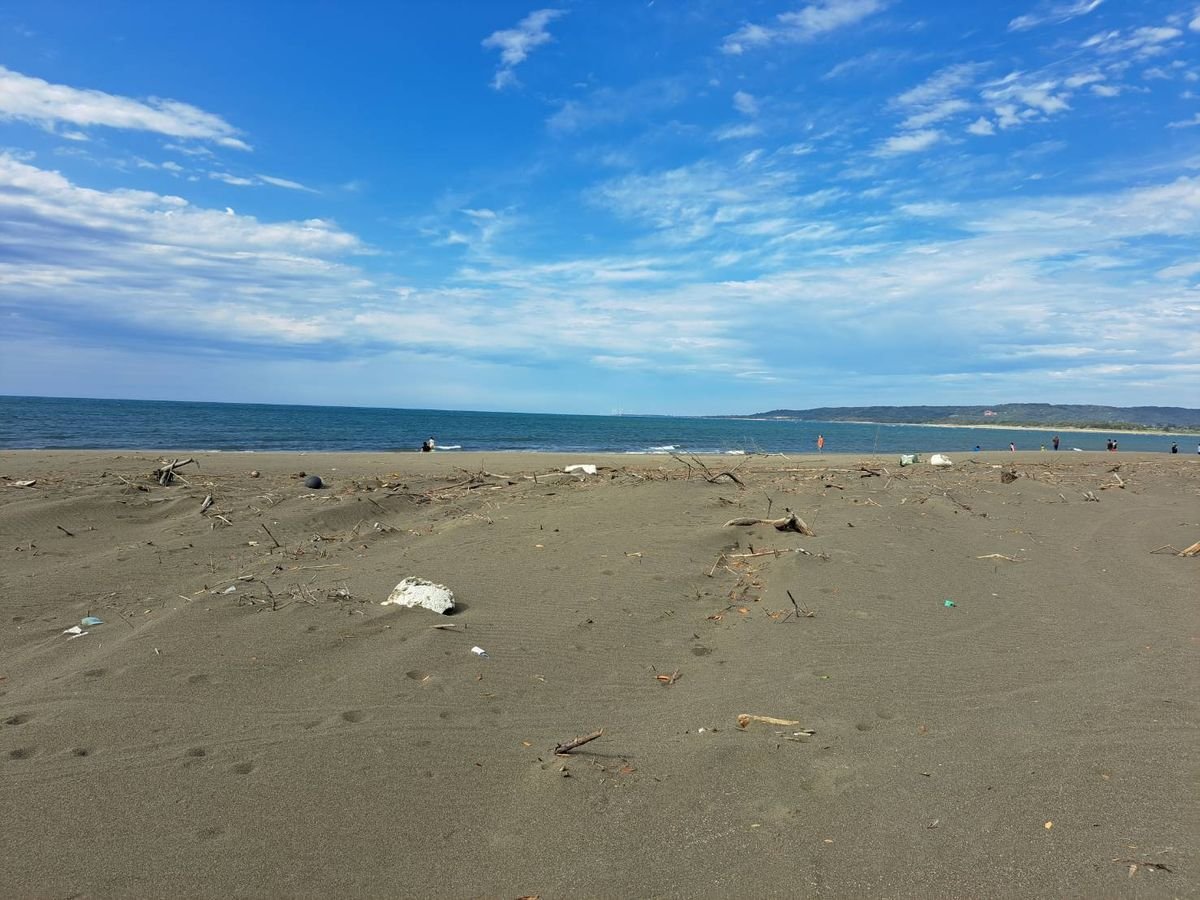
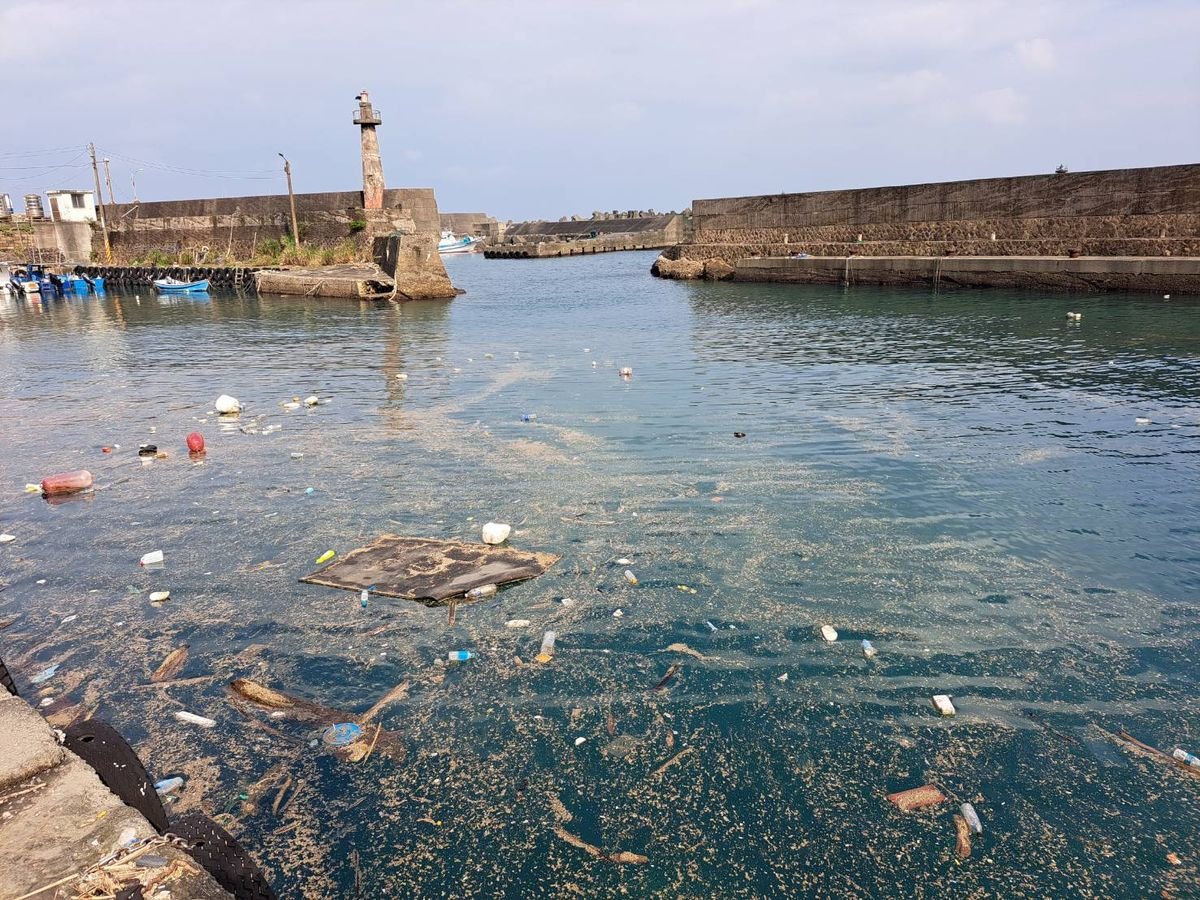
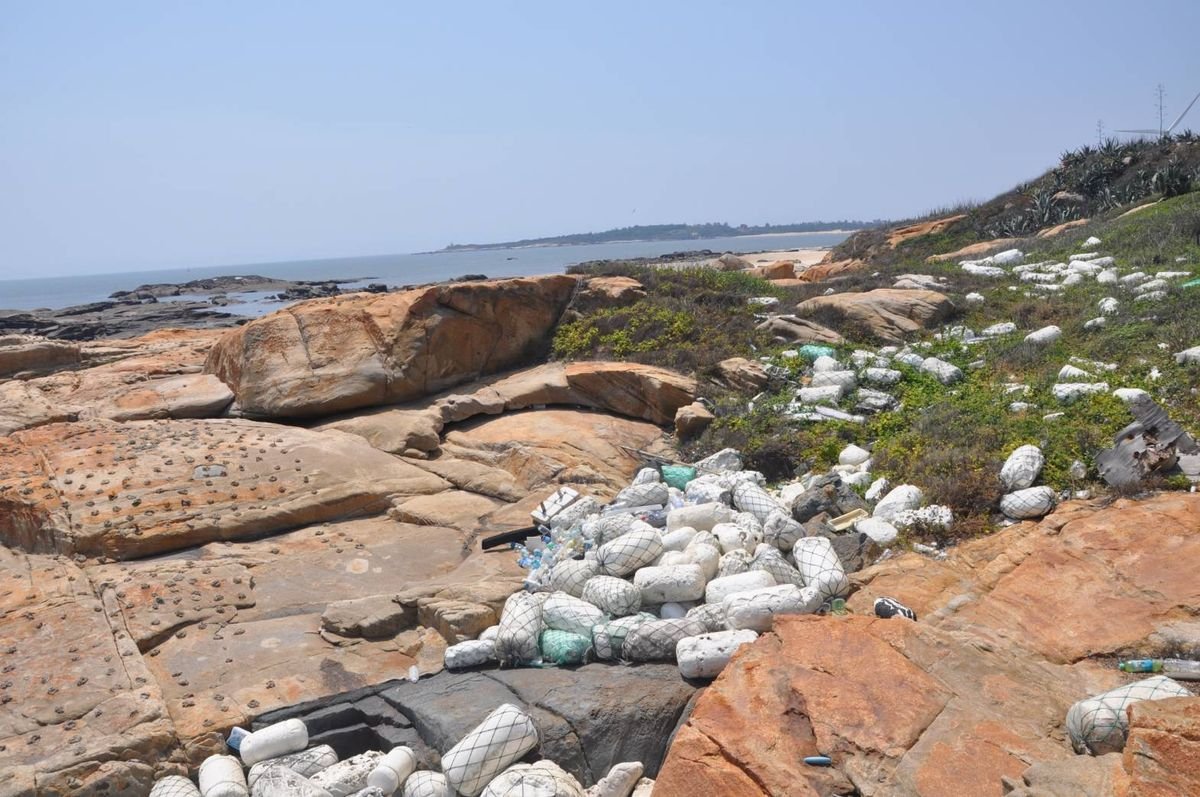
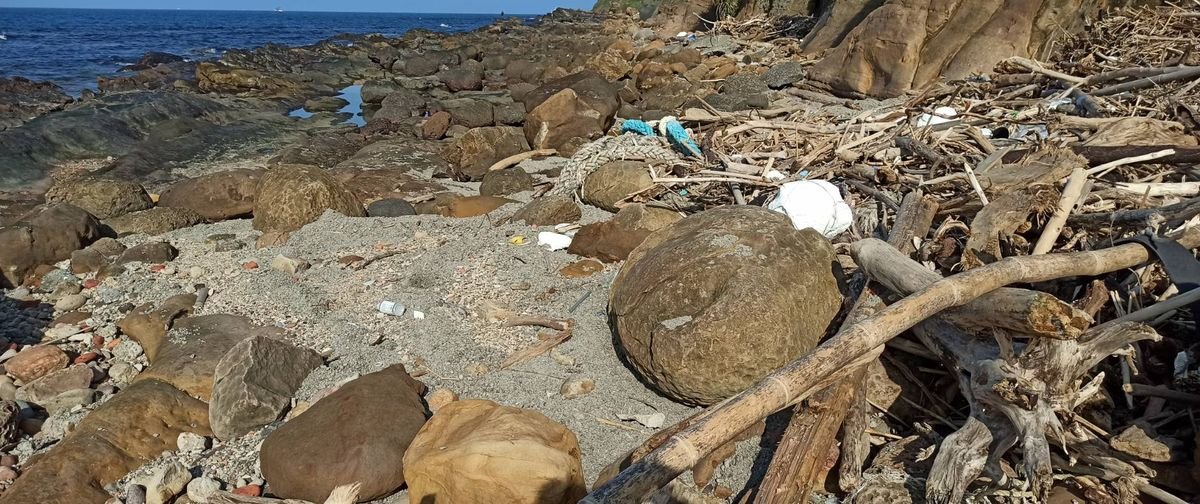
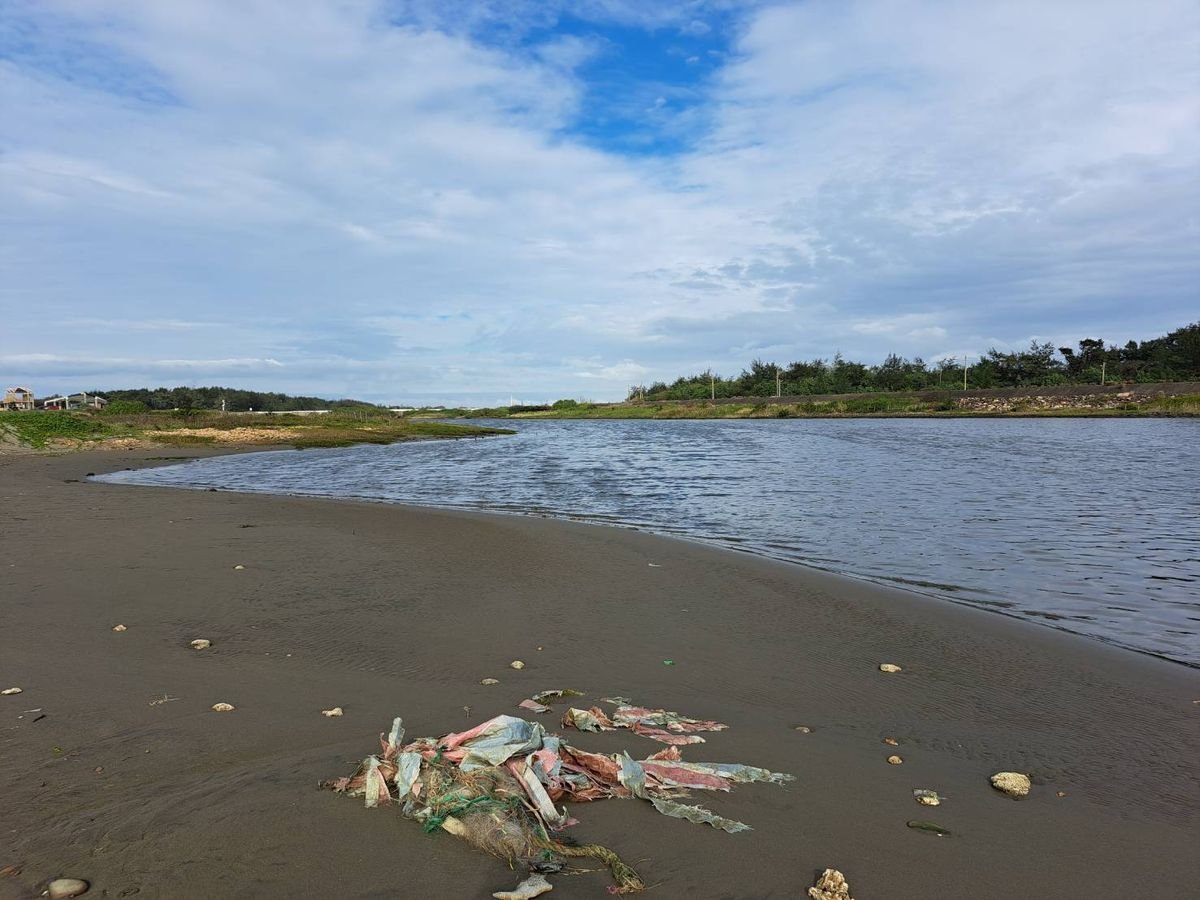
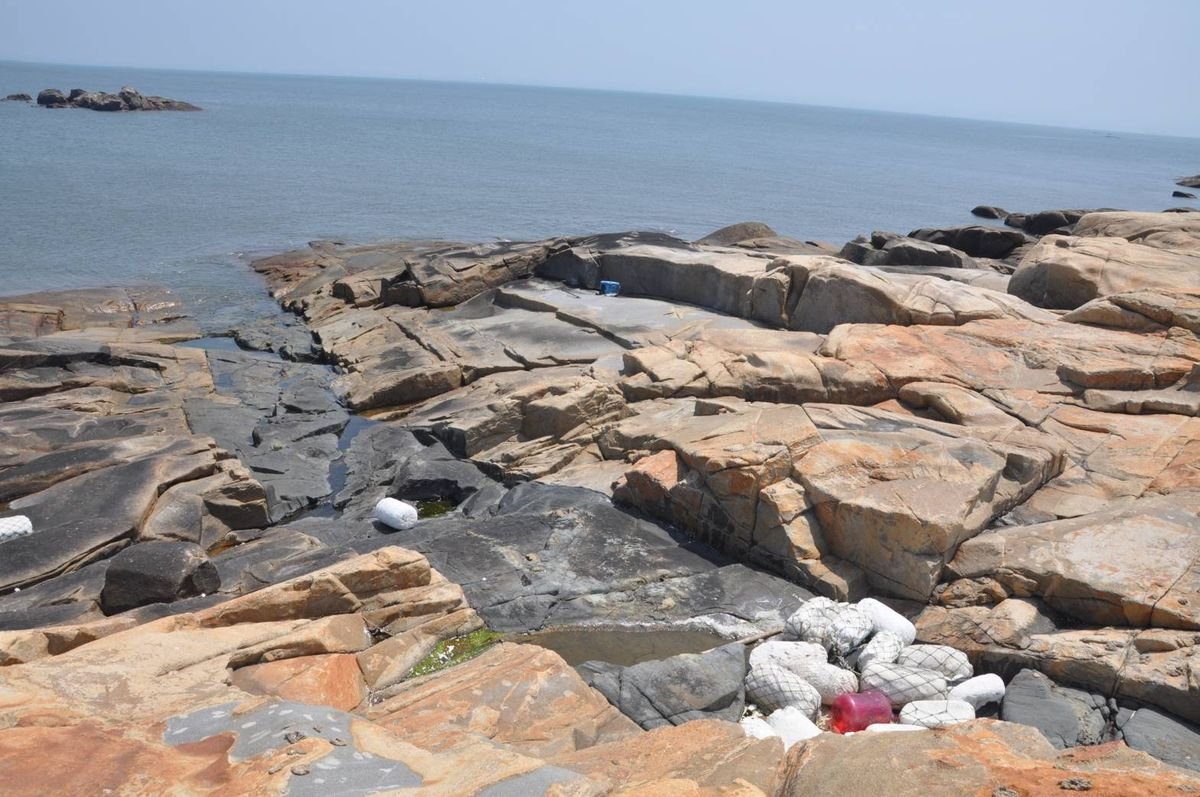
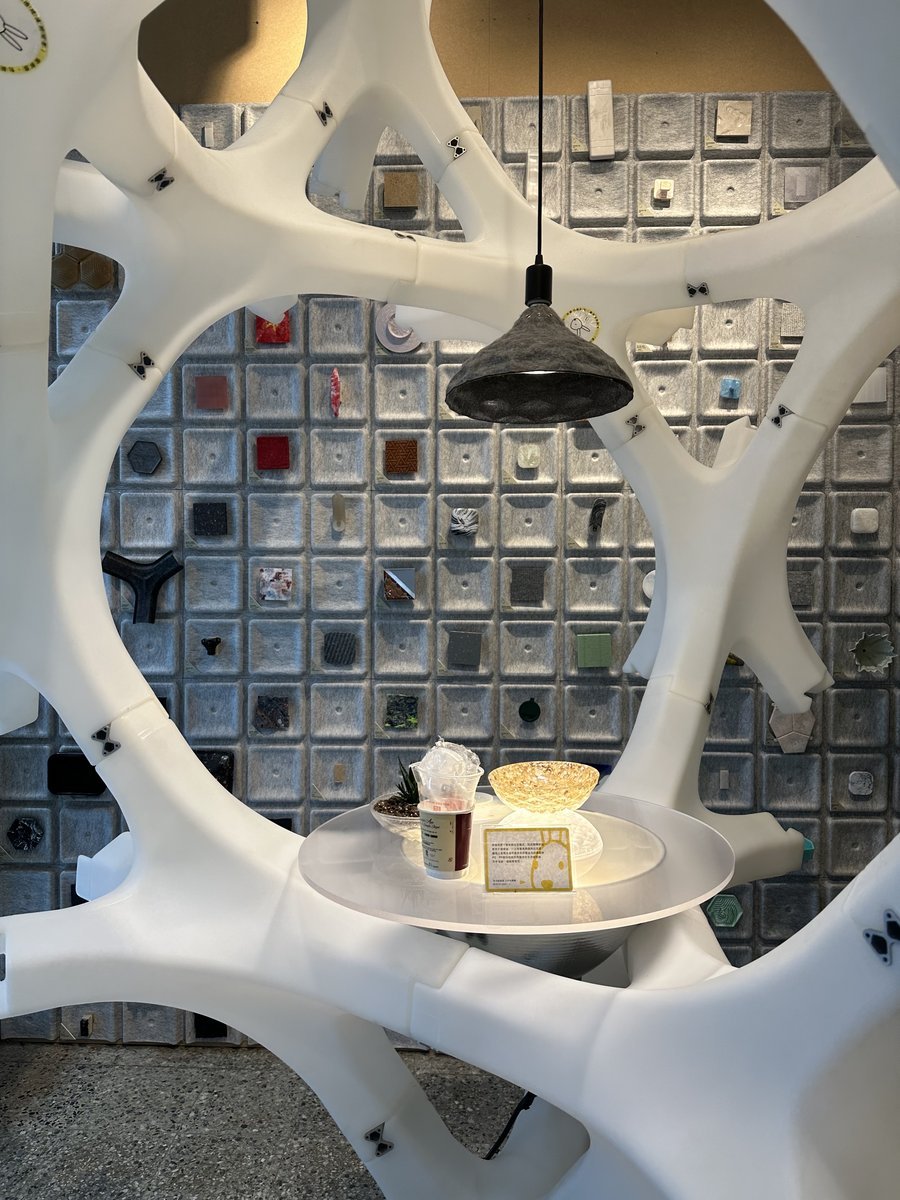
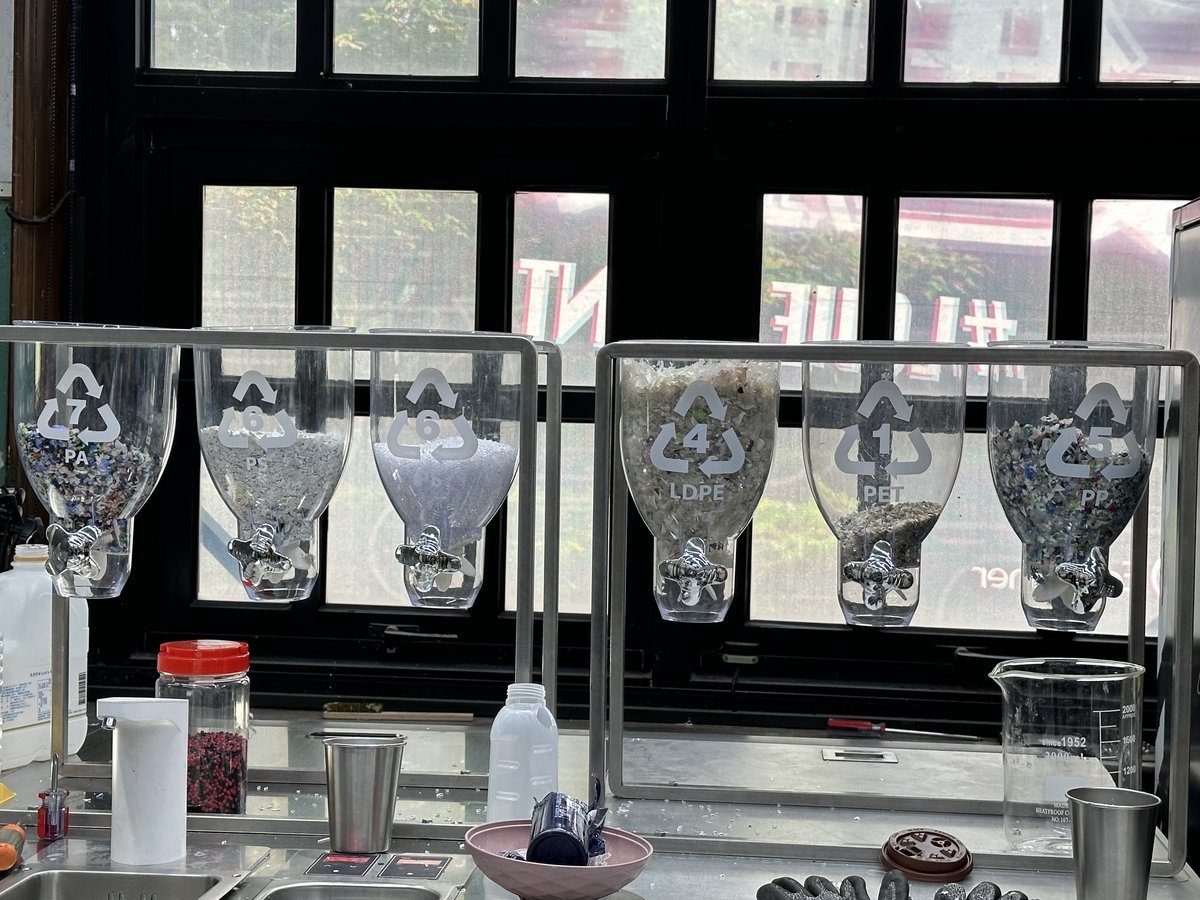
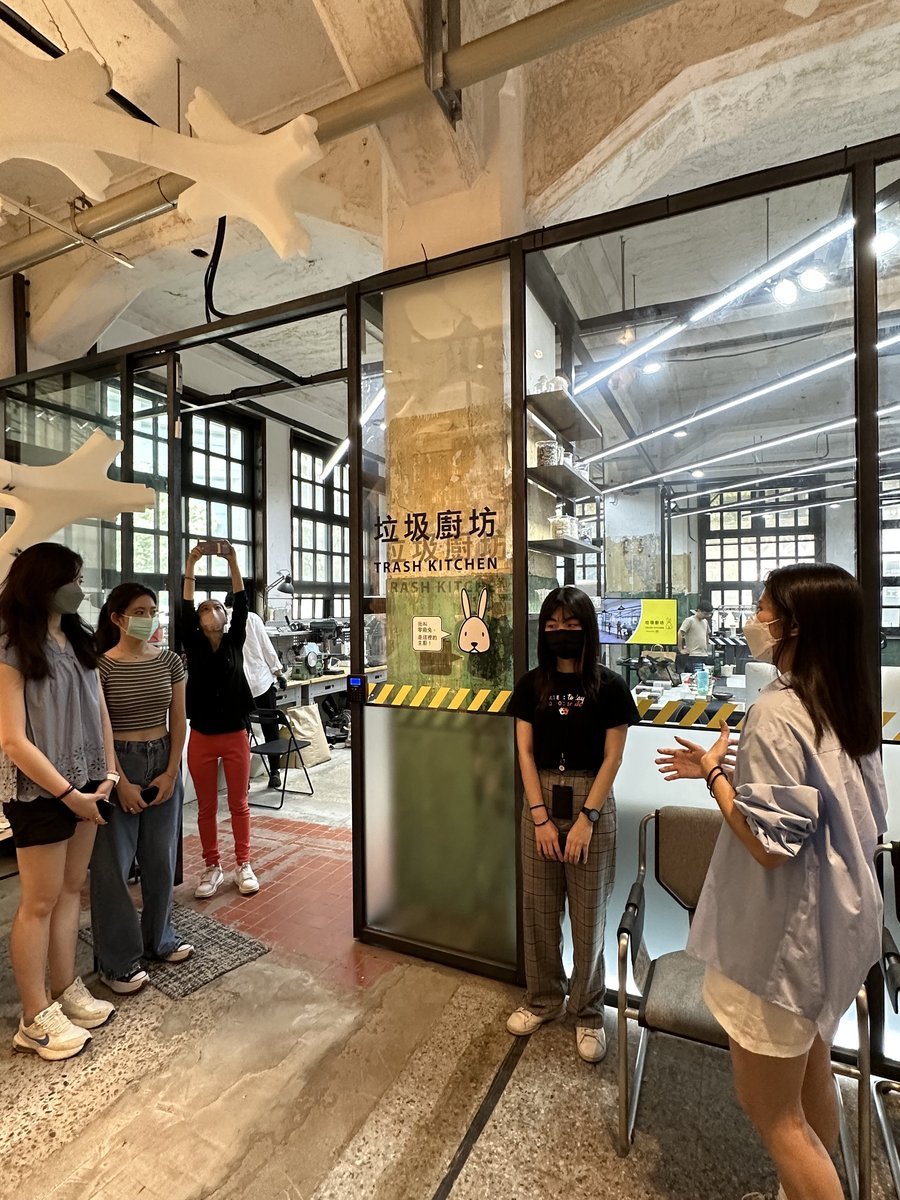
Do not just study the problem. Go where it happens.
Designers, Scientists, Governance & Industry Voices
Science, governance, industry, and design — different perspectives on one shared ocean challenge
Marine debris cannot be solved by a single discipline or sector. IBCIW 2026 will bring together experts and practitioners in marine science, marine-debris governance, circular economy, resource recovery, industrial and product design, environmental education, and sustainable industry to share current research, policy experience, and real-world cases.
Questions We Want to Explore
- 01Which marine-debris problems remain unresolved?
- 02What critical data are still missing?
- 03Which recycling and material technologies can realistically scale?
- 04How can circular design balance environmental benefit, material feasibility, and market demand?
- 05What new research, education, and industry partnerships can Taiwan and Southeast Asia build together?
Speaker Themes
- Marine Science & MonitoringResearch, field evidence, and environmental monitoring
- Marine Debris GovernancePolicy, management, and transboundary governance
- Circular Industry & Recycling TechnologyResource recovery, material processing, and industrial systems
- Blue Economy & Sustainable DesignCircular products, services, and design innovation
- Environmental Education & Public EngagementScience communication, learning, and behavior change
Ready to Join Us?
Use one intensive week to rethink how marine debris can be understood, managed, and redesigned
If you care about marine environments, circular economy, sustainable design, resource management, environmental education, or international collaboration, IBCIW 2026 offers a rare opportunity to connect these fields in one integrated learning experience.
RegistrationOpen now until Fri., Nov. 20, 2026
Register NowWhat You Will Do
- 01Observe real marine-debris problems and coastal environments
- 02Enter circular-industry and resource-recovery sites
- 03Collect and interpret field evidence
- 04Analyze materials, recycling, and industrial systems
- 05Develop interdisciplinary solutions
- 06Build a Taiwan × Southeast Asia professional network
What You Will Take Home
After five days, you will take home more than a certificate: a new way to understand marine debris, an international professional network, and a collaborative idea that can continue beyond the program.
Core Program23–27 November 2026Taipei & Taoyuan, Taiwan
Daily Learning Pathway
A five-day learning pathway from understanding the problem to creating solutions
The core program is not a collection of separate events. It is a connected learning journey: understand the problem → engage with materials and industry → enter real environments → build evidence → create solutions. Each day contributes new knowledge, data, and perspectives to the final cross-national team proposal.
-
01 UNDERSTAND
International Blue Economy Symposium
NTNU Gongguan Campus | Science Education Building, 5F Conference Hall
-
02 DESIGN
Marine Debris Upcycling & Blue Design Workshop
Taiwan Design Research Institute / Songshan Cultural and Creative Park
-
03 TRACE
Circular Industry & Resource Recovery Visits
Taipei → Guishan & Guanyin, Taoyuan
-
04 INVESTIGATE
Marine Debris Field Investigation & Environmental Education Day
Taoyuan Coast → Qingpu
-
05 CREATE
Youth Action Forum & International Team Showcase
NTNU Art Museum, Ground Floor
Dates covered by each option